
What is Java? A Beginner’s Guide
Java has been one of the world’s most popular programming languages for nearly three decades. It remains a top choice […]
Step-by-step Java programming tutorials for beginners. Learn Java fundamentals, object-oriented programming, and practical coding skills with working examples.
Java has been one of the world’s most popular programming languages for nearly three decades. It remains a top choice […]
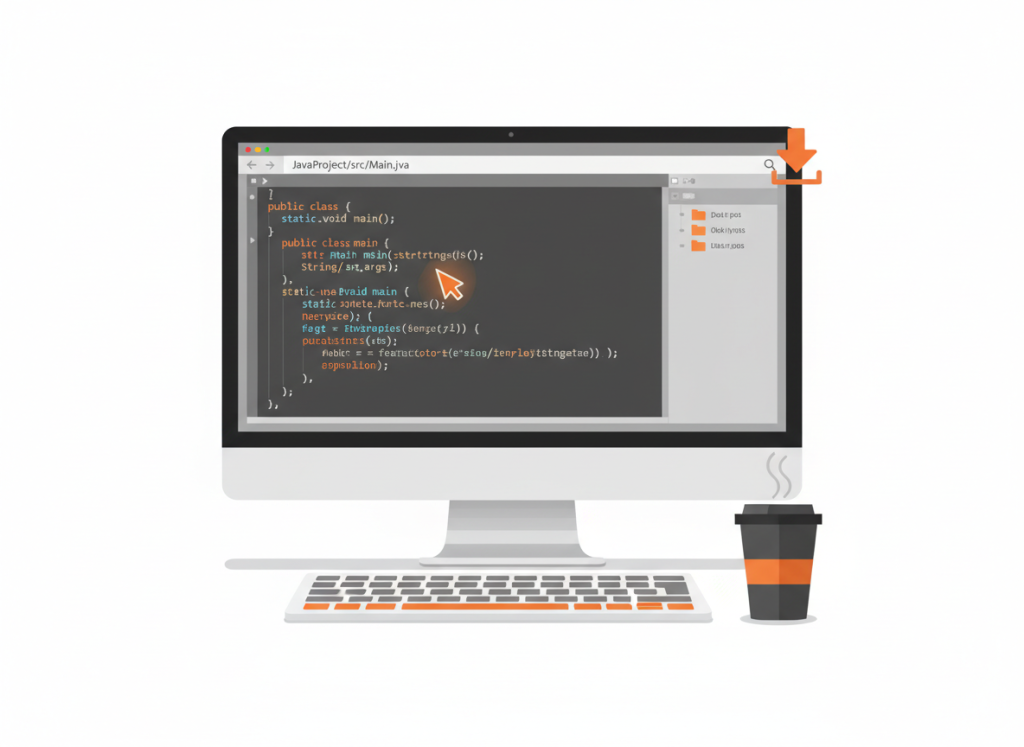
You can go from zero to running Java code in about 20 minutes. This guide walks through the entire process:
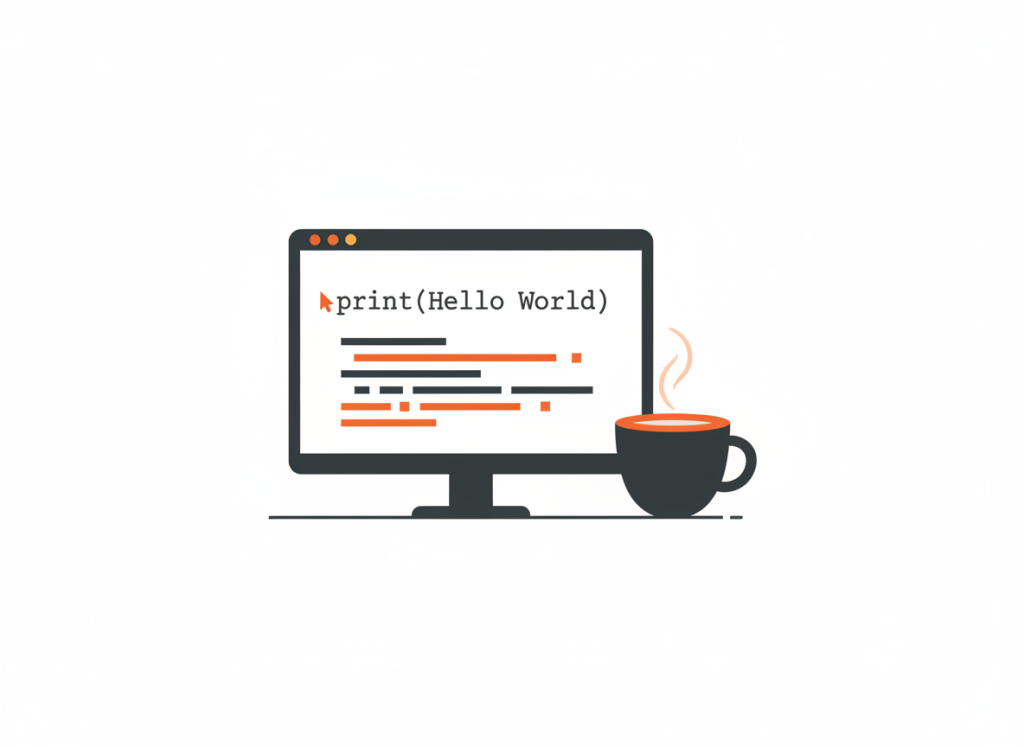
Every programmer’s first program prints “Hello, World!” to the screen. It’s a tradition that dates back to a 1978 book
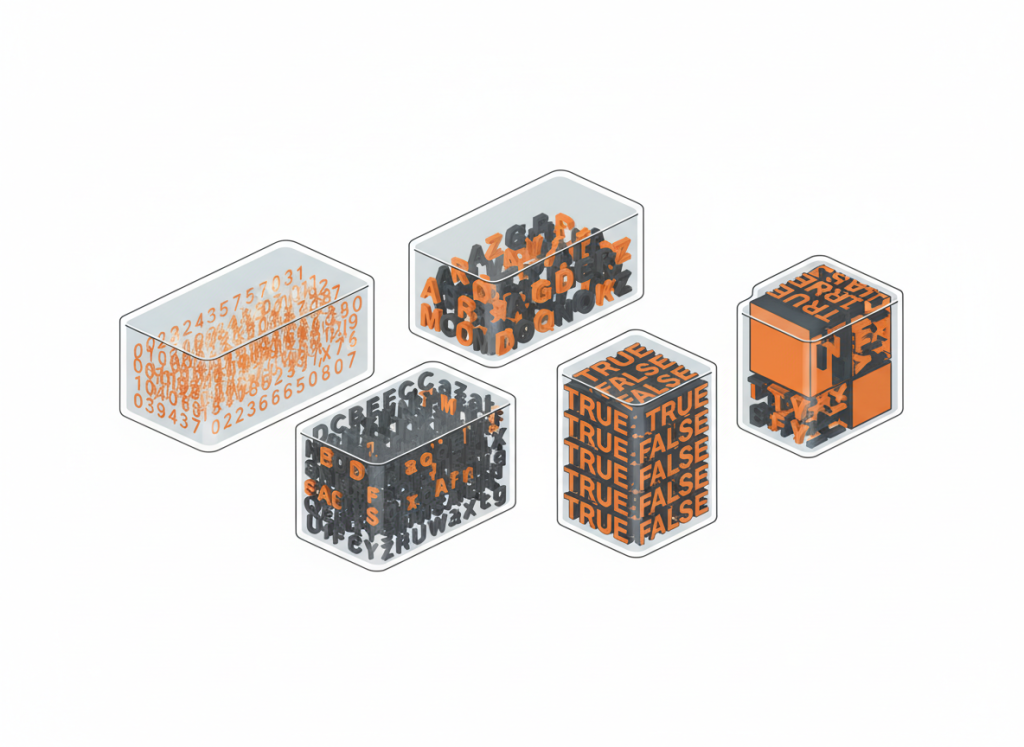
Variables store data that your program can use and change. Every useful program needs them. A game tracks your score

Variables store data. Operators do things with it. They add numbers, compare values, combine conditions, and assign results. Java has
Strings hold text. Names, messages, file paths, user input, JSON data. Almost every program works with strings constantly. Java provides
Programs need to make decisions. Should the user see an error message? Did they enter the correct password? Is the
Loops repeat code. Print a message ten times. Process every item in a list. Keep asking for input until the

Programs that only work with hardcoded values aren’t very useful. Real programs respond to users. They ask questions, accept answers,
As programs grow, putting all code in main becomes unmanageable. Methods let you break code into named, reusable pieces. Instead
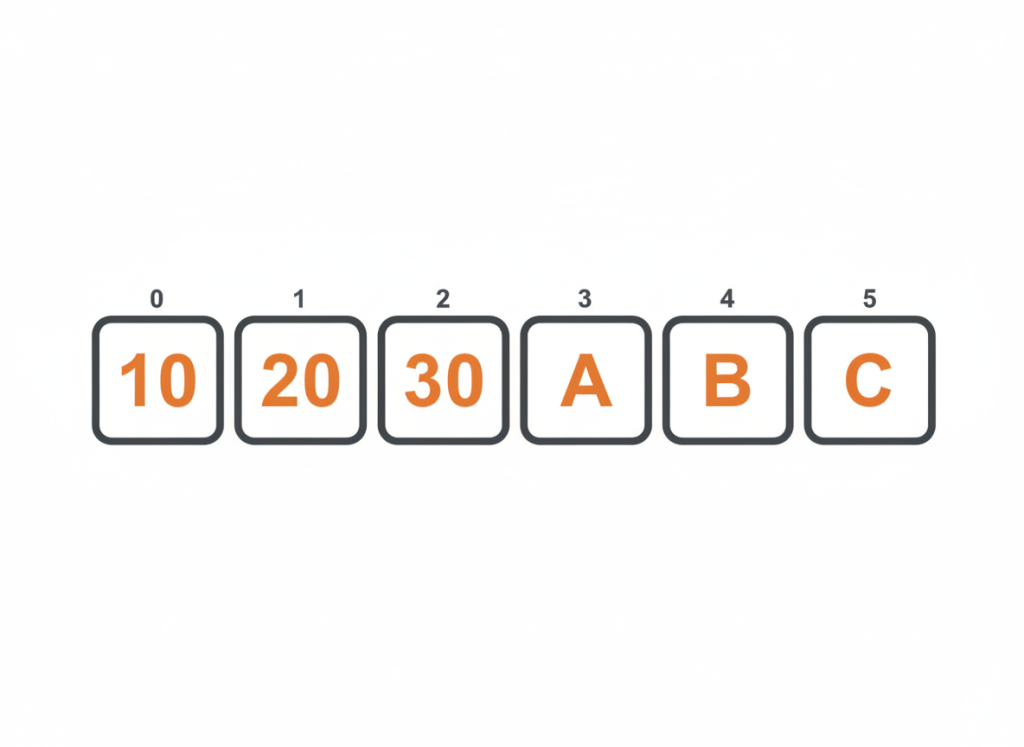
A single variable holds one value. But programs often work with collections: a list of names, a series of test
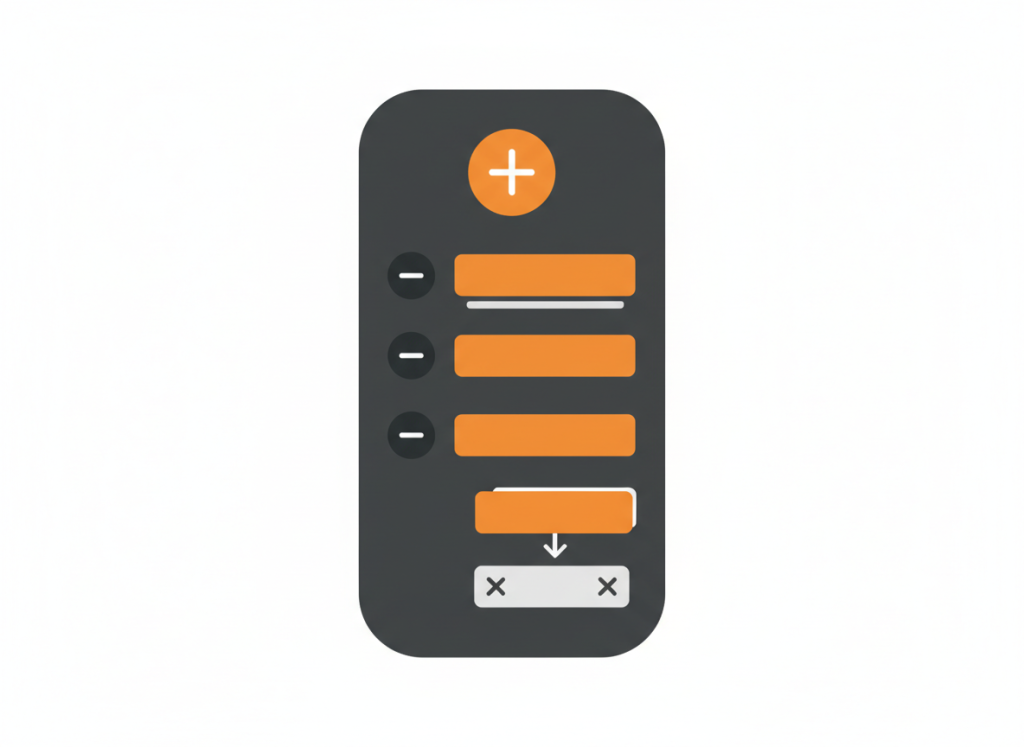
Arrays have a fixed size. Once you create an array of 10 elements, it stays at 10. If you need