
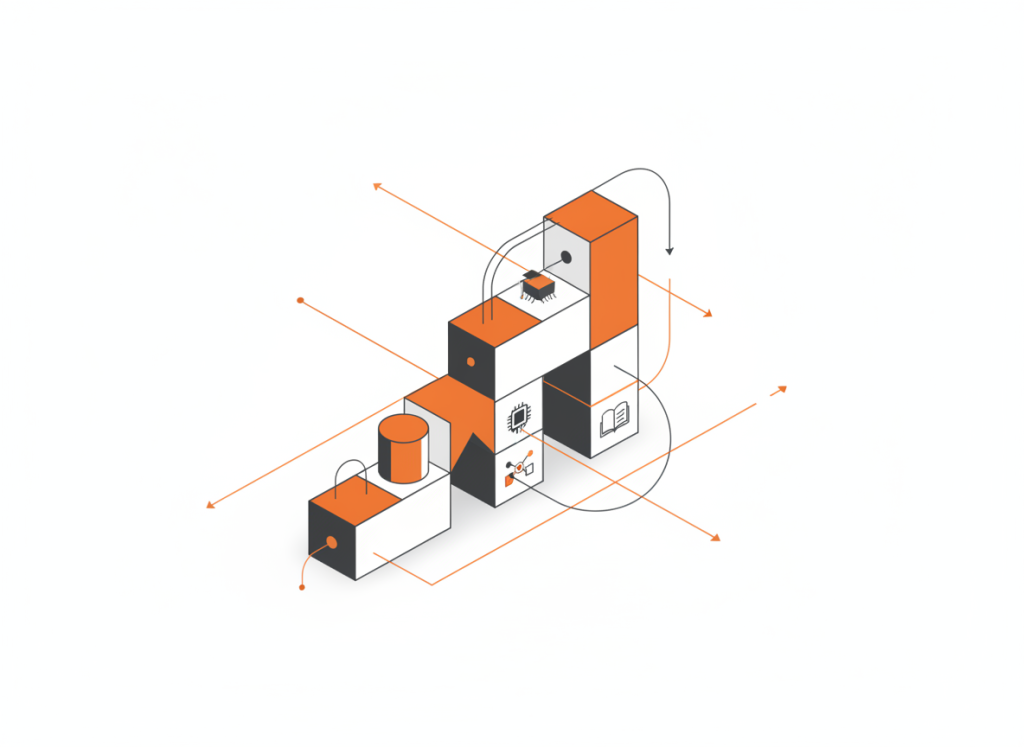
Introduction to Object-Oriented Programming
So far, you’ve written programs using variables, methods, and data structures. That approach works for small programs. But as projects […]
Step-by-step Java programming tutorials for beginners. Learn Java fundamentals, object-oriented programming, and practical coding skills with working examples.
So far, you’ve written programs using variables, methods, and data structures. That approach works for small programs. But as projects […]
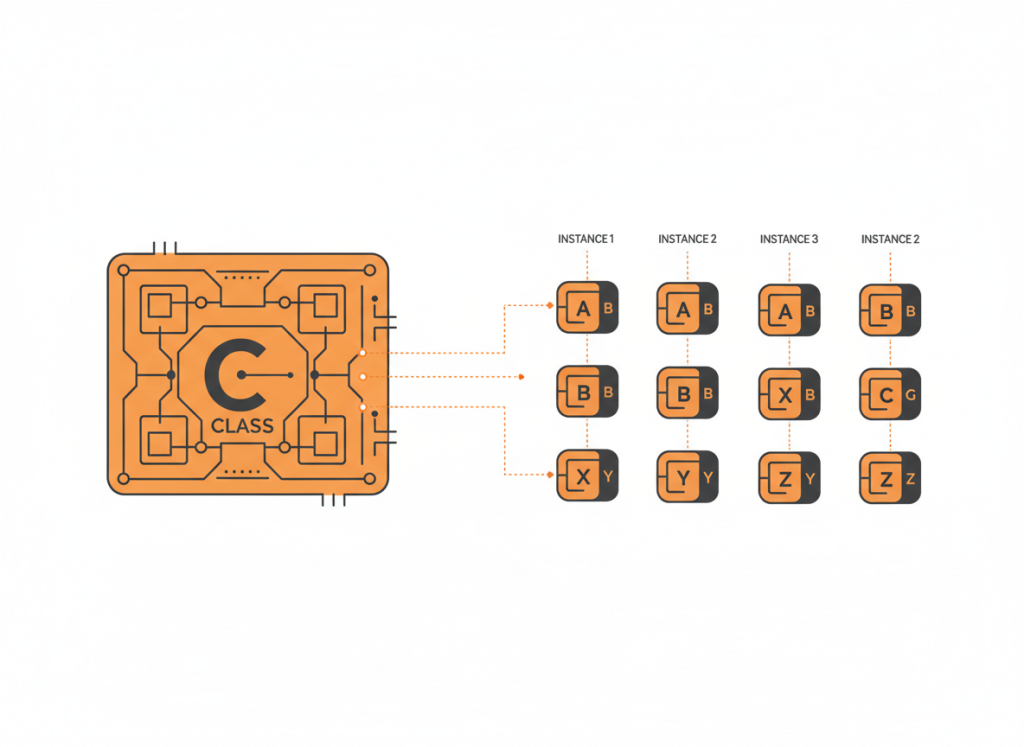
The previous tutorial introduced object-oriented concepts. Now you’ll put them into practice. By the end of this tutorial, you’ll create
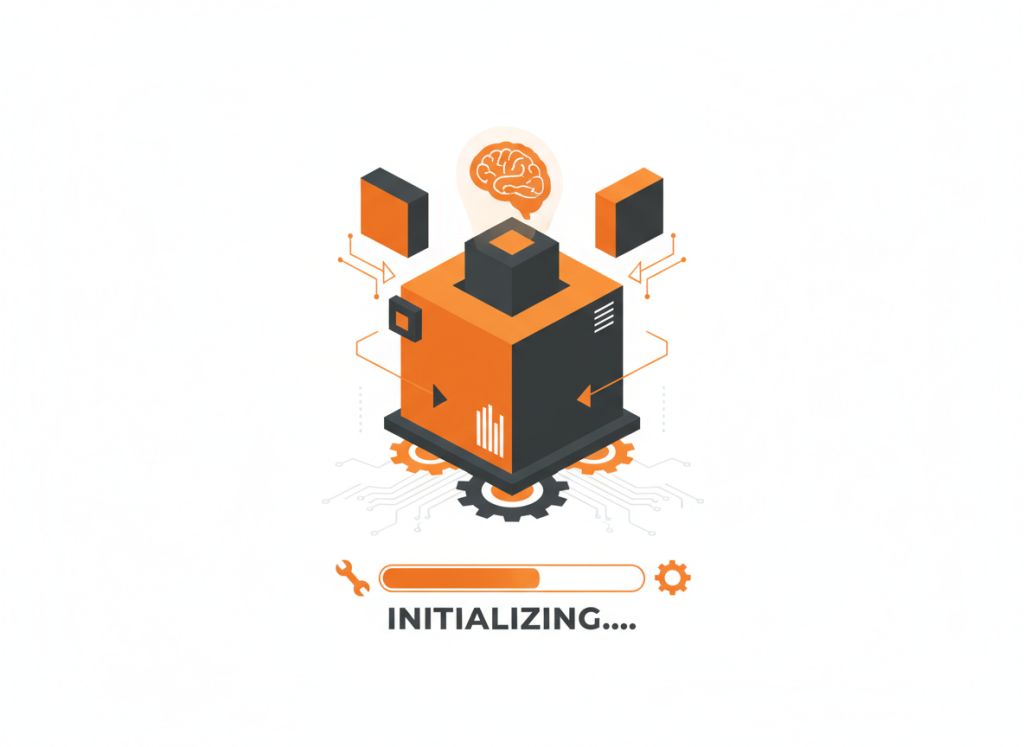
In the previous tutorial, you created objects and then set their fields one by one. That approach works but has
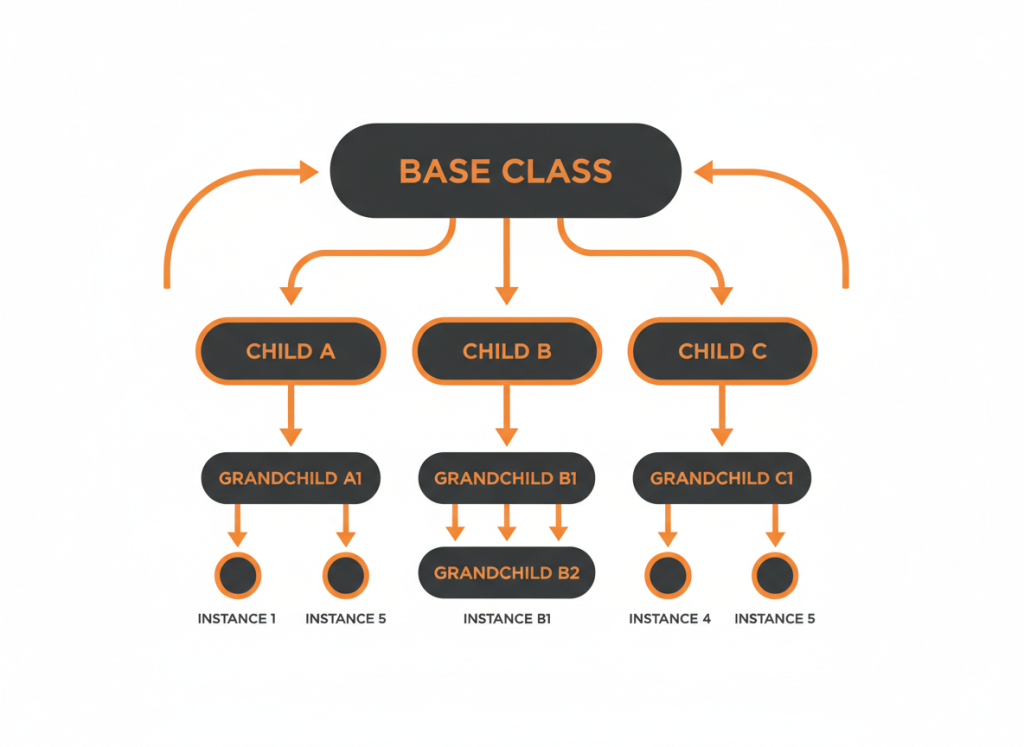
Classes often share common characteristics. Dogs, cats, and birds are all animals. Cars, motorcycles, and trucks are all vehicles. Inheritance
Inheritance lets child classes override parent methods. Polymorphism takes this further. It lets you write code that works with a
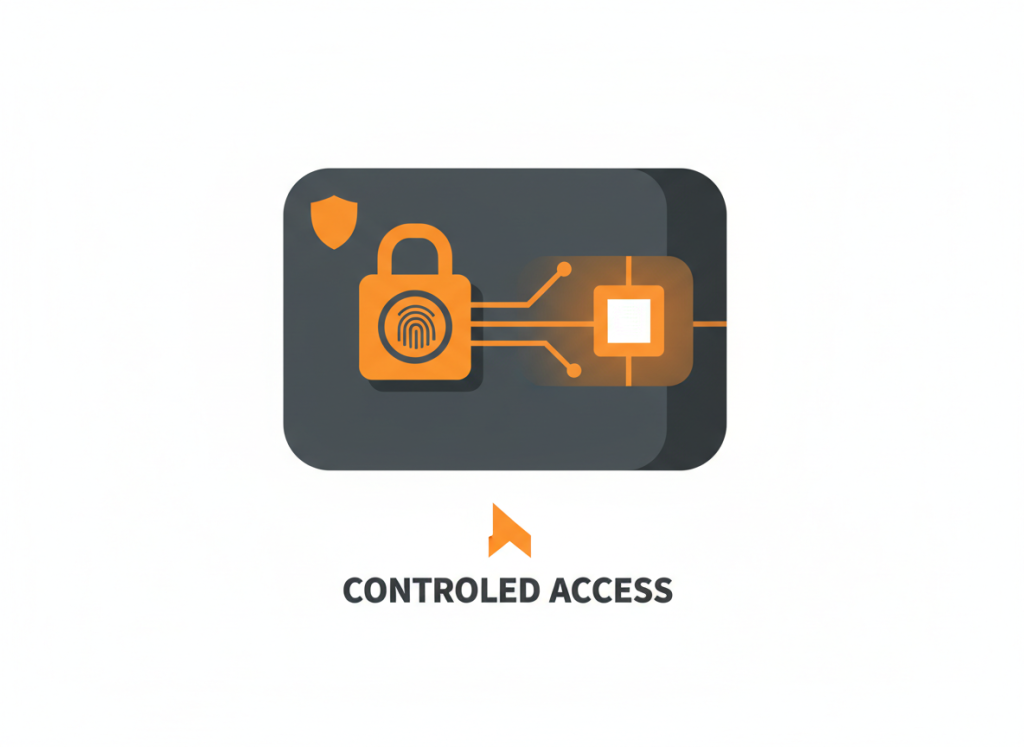
So far, you’ve accessed object fields directly. Set a dog’s name with dog.name = "Buddy". Read a car’s mileage with
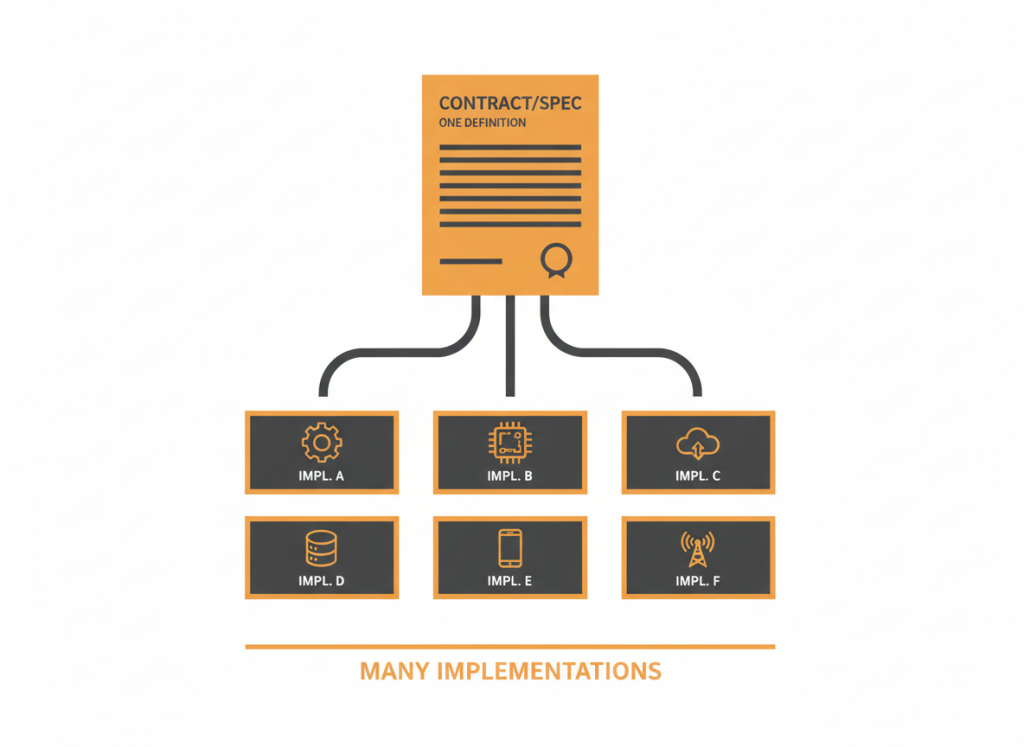
Java allows only single inheritance. A class can extend one parent. But what if a class needs capabilities from multiple
Interfaces define pure contracts with no implementation. Regular classes provide complete implementations. Abstract classes sit in between. They can define
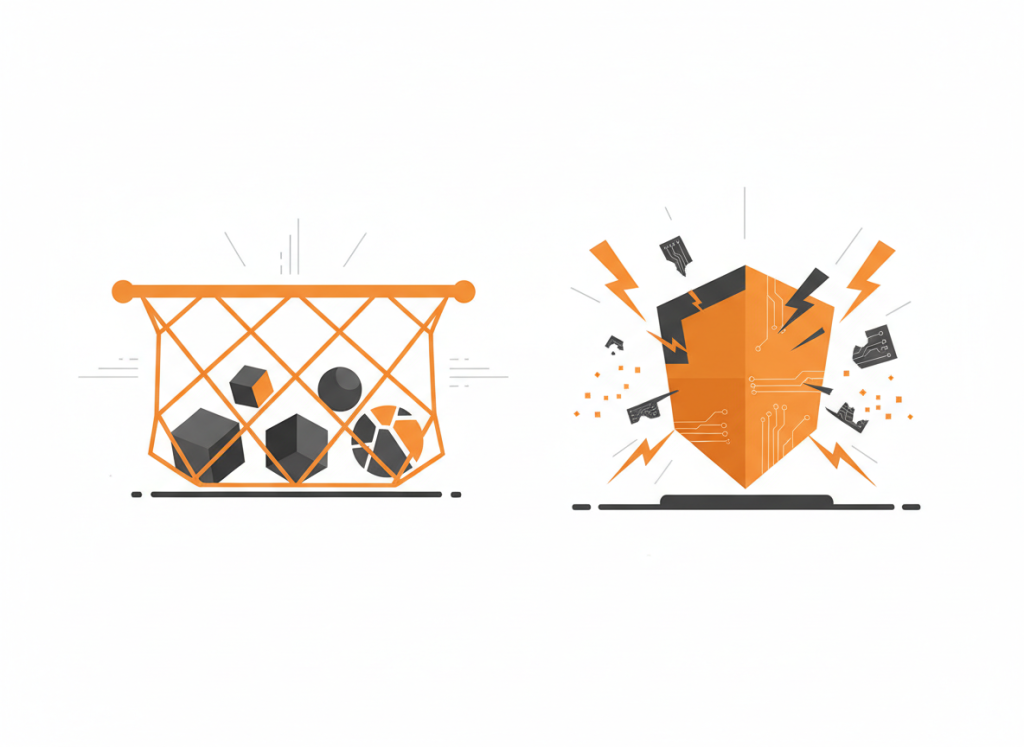
Programs encounter problems. A file doesn’t exist. A network connection drops. A user enters text when you expected a number.
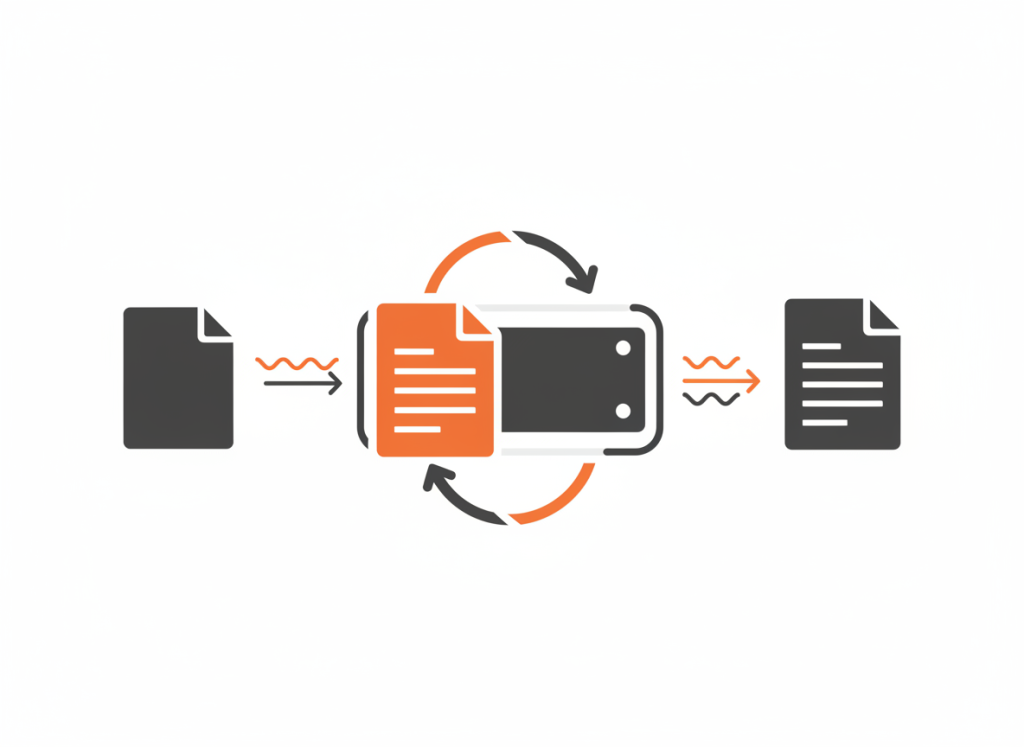
Programs often need to persist data. Without files, everything disappears when the program ends. File I/O lets you save data,
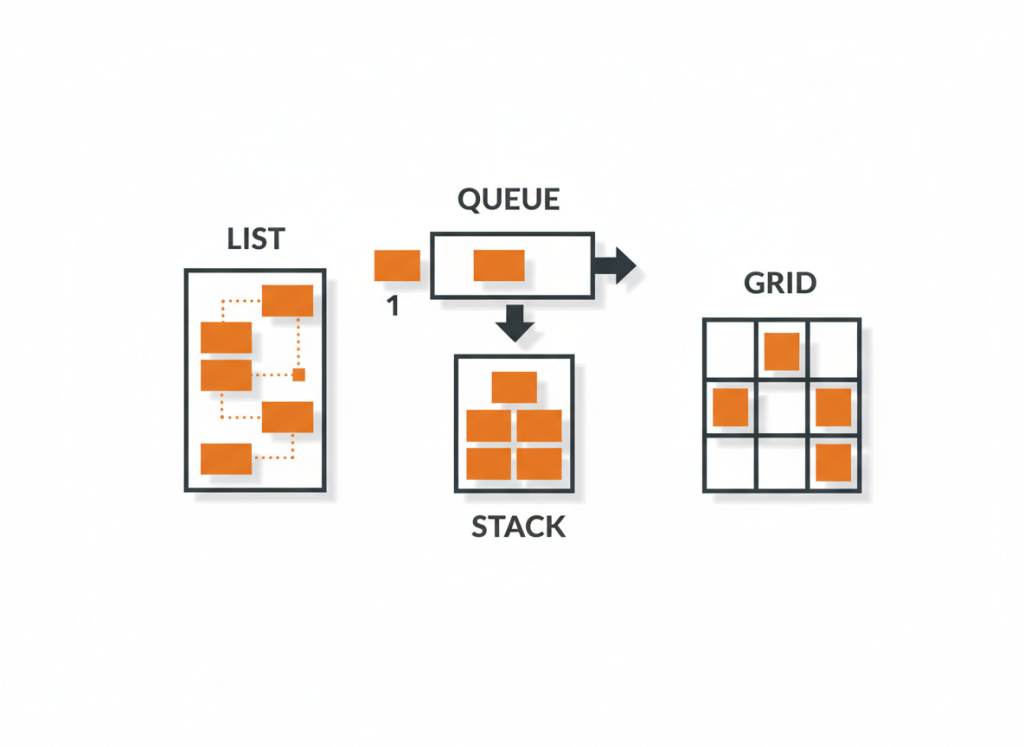
You’ve used ArrayList to store collections of objects. But ArrayList is just one option. The Collections Framework provides many data
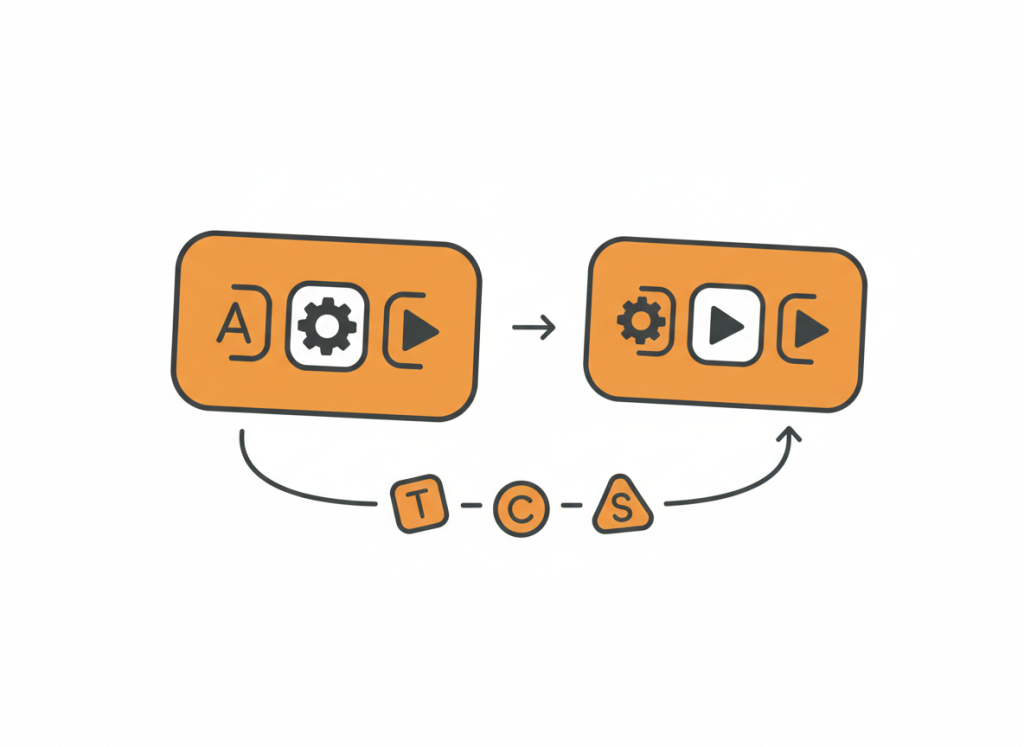
You’ve used generics every time you created an ArrayList. The angle brackets in ArrayList<String> specify what type the list holds.