
Java Polymorphism
Inheritance lets child classes override parent methods. Polymorphism takes this further. It lets you write code that works with a […]
Inheritance lets child classes override parent methods. Polymorphism takes this further. It lets you write code that works with a […]
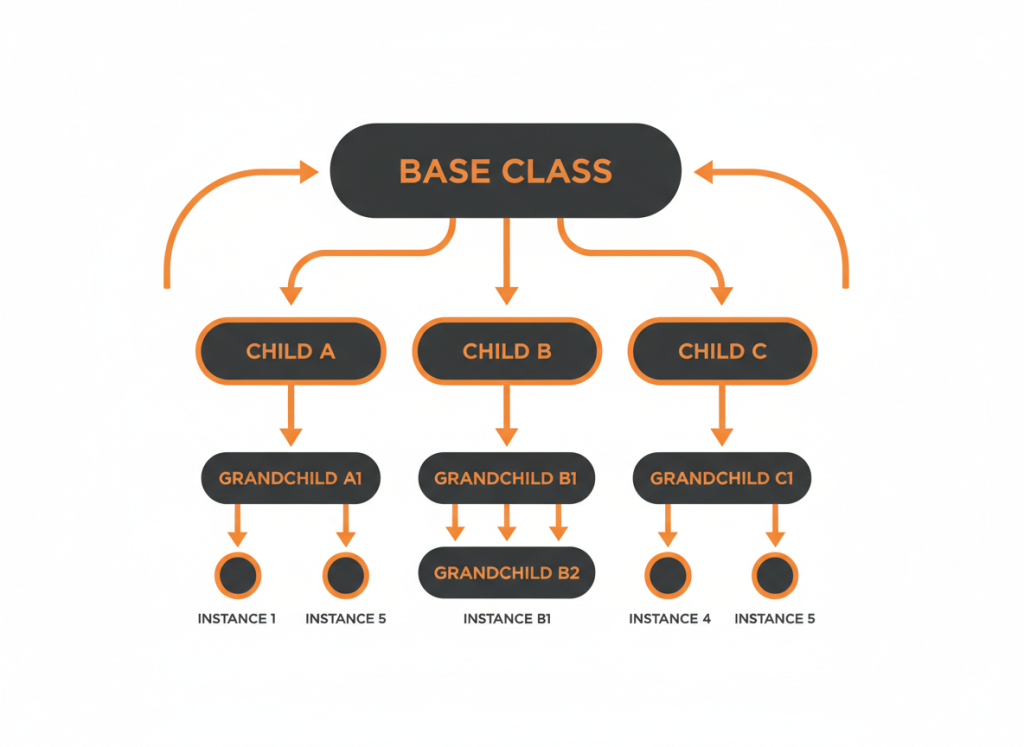
Classes often share common characteristics. Dogs, cats, and birds are all animals. Cars, motorcycles, and trucks are all vehicles. Inheritance
In the previous tutorial, you created objects and then set their fields one by one. That approach works but has
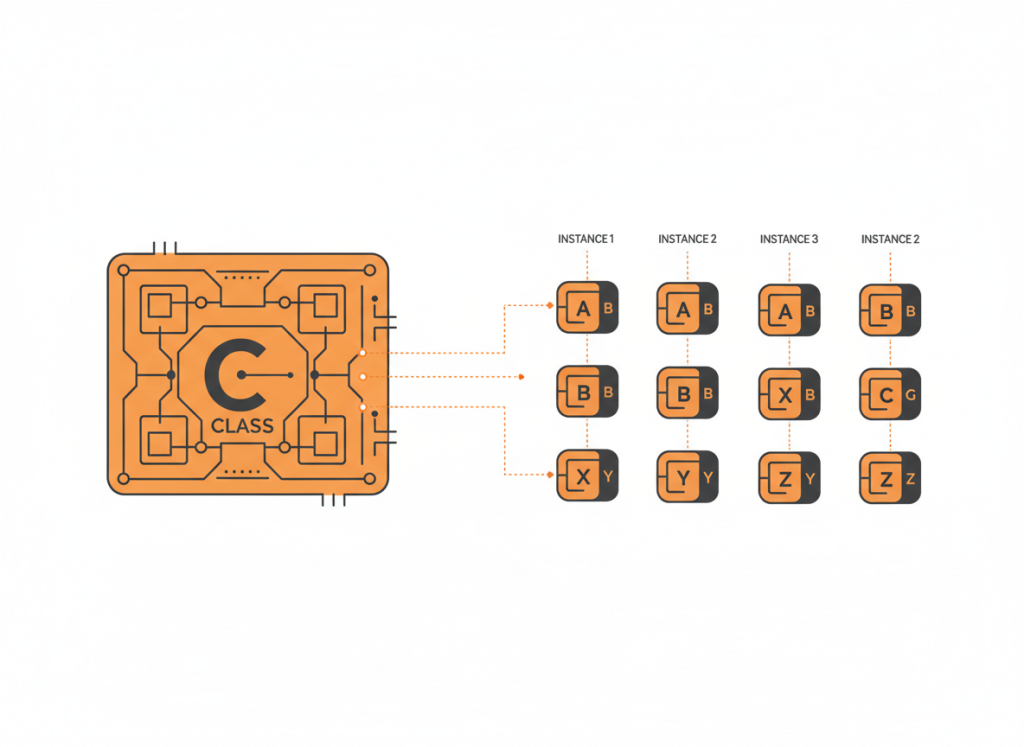
The previous tutorial introduced object-oriented concepts. Now you’ll put them into practice. By the end of this tutorial, you’ll create
So far, you’ve written programs using variables, methods, and data structures. That approach works for small programs. But as projects
Arrays have a fixed size. Once you create an array of 10 elements, it stays at 10. If you need
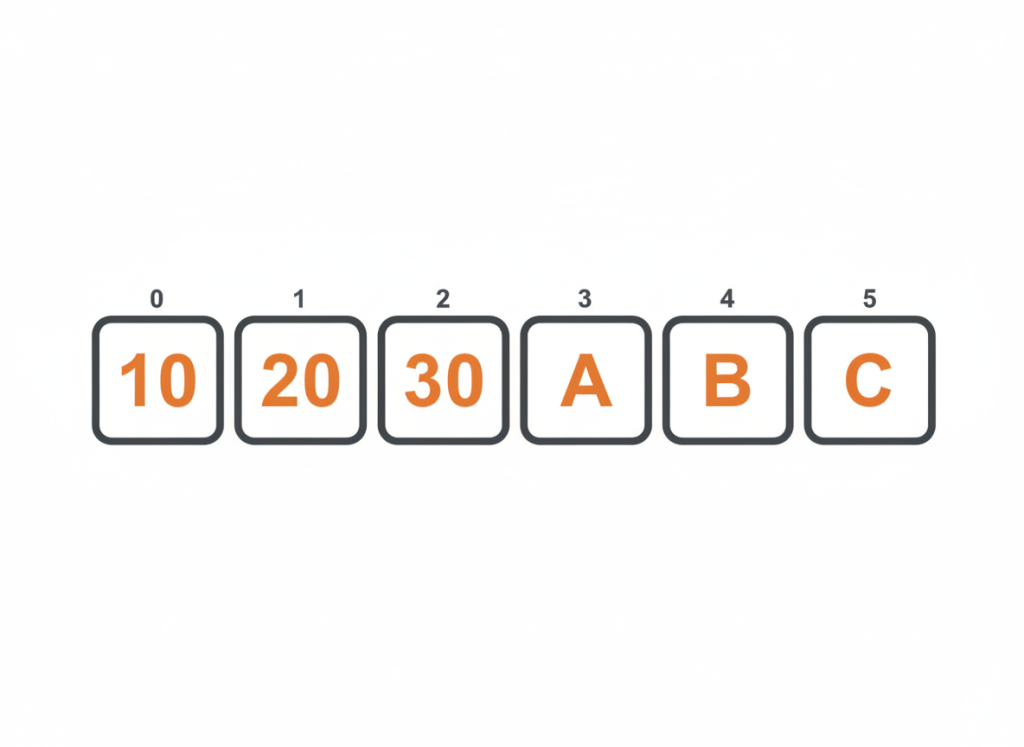
A single variable holds one value. But programs often work with collections: a list of names, a series of test
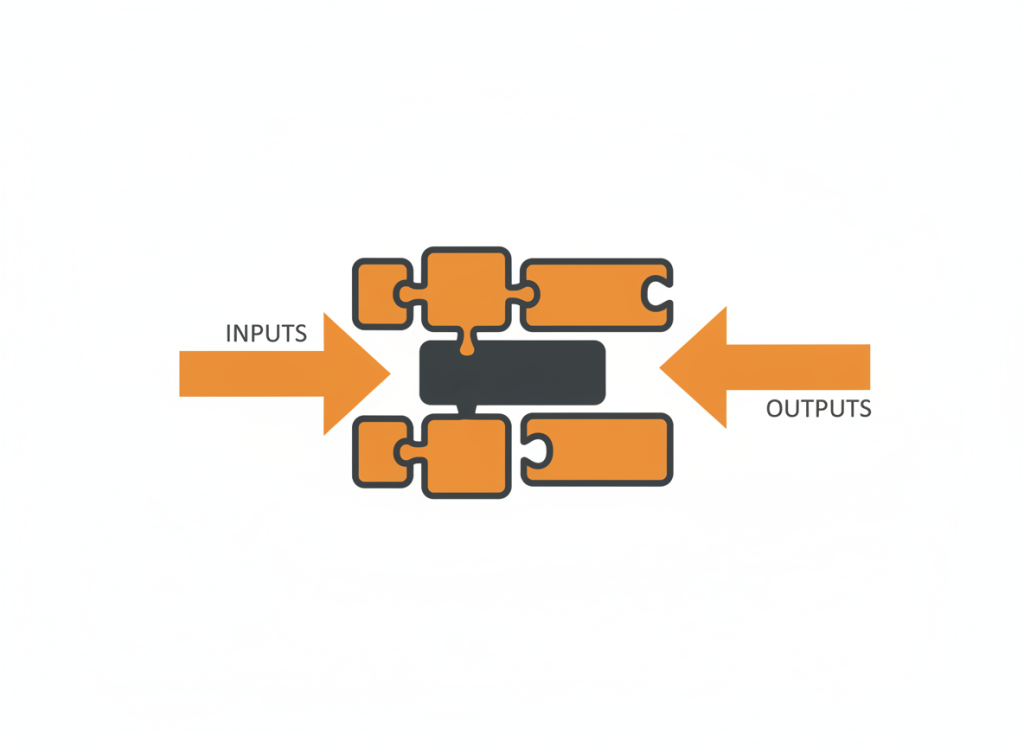
As programs grow, putting all code in main becomes unmanageable. Methods let you break code into named, reusable pieces. Instead

Programs that only work with hardcoded values aren’t very useful. Real programs respond to users. They ask questions, accept answers,
Loops repeat code. Print a message ten times. Process every item in a list. Keep asking for input until the

Programs need to make decisions. Should the user see an error message? Did they enter the correct password? Is the

Strings hold text. Names, messages, file paths, user input, JSON data. Almost every program works with strings constantly. Java provides